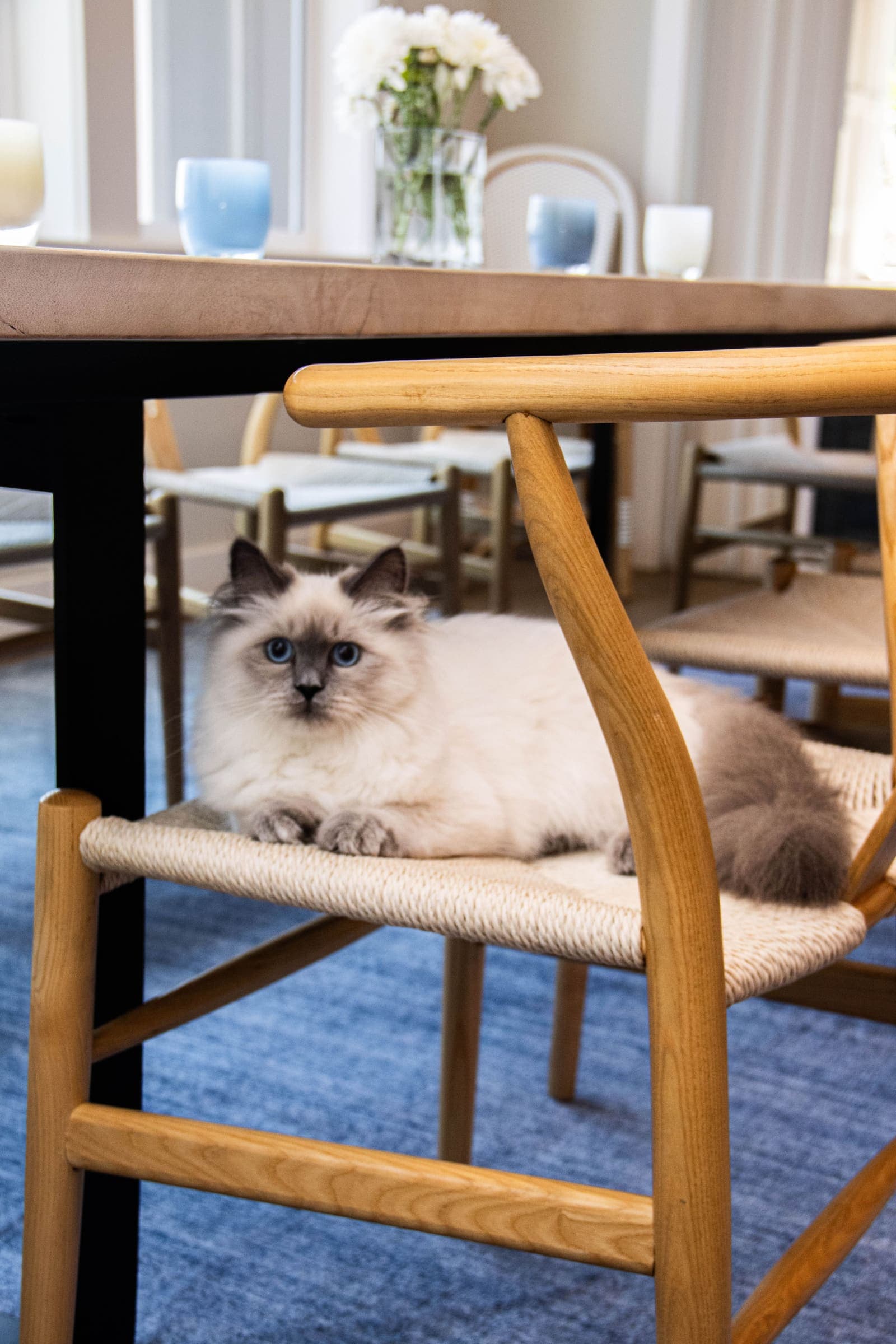
Pets make life better. They also make homes harder to keep clean. Between shedding, dander, paw prints, occasional accidents, and the general chaos that comes with sharing a home with an animal, pet owners face cleaning challenges that go beyond what standard routines address.
This guide is specifically for dog and cat owners in Woodinville, Kirkland, and the Eastside WA area who want to maintain a genuinely clean home — not just one that looks clean until the dog shakes off after a walk.
The Unique Cleaning Challenges Pet Owners Face
Hair and Dander
Pet hair and dander (microscopic skin flakes) accumulate on every horizontal surface, embed in carpets and upholstery, and circulate in your home's air. This is the primary driver of pet-related allergies in household members and guests.
Odor
Pet odor compounds over time and embeds into soft surfaces — carpets, upholstery, curtains, and even drywall in severe cases. The organic compounds from urine, saliva, and skin oils require specific enzyme-based treatments.
Tracked Debris
Dogs in particular track in mud, wet leaves, grass, and environmental bacteria from the Pacific Northwest outdoors. Woodinville and Kirkland homeowners deal with this heavily from October through March.
Surface Wear
Claws on hardwood, scratching on upholstery, and chewing all create cleaning challenges that go beyond standard maintenance.
Room-by-Room Pet Cleaning Guide
Floors and Carpets
For carpeted homes, standard vacuuming addresses surface hair but does not reach embedded dander and allergens in the lower pile. Key adjustments for pet households:
- Vacuum carpets and rugs at least twice weekly in rooms where pets spend most time
- Use a vacuum with a HEPA filter — standard vacuums redistribute fine particles back into the air
- Run a rubber bristle brush over carpet before vacuuming to loosen embedded hair
- For hardwood and tile, a microfiber dust mop daily is more effective than a traditional broom
- Professional carpet cleaning every 6 months removes dander, bacteria, and odor compounds that vacuuming cannot reach
Upholstered Furniture
If your pets are allowed on furniture, here is the practical maintenance routine:
- Use a rubber glove or damp cloth to wipe off hair from cushions before vacuuming
- Vacuum all upholstered surfaces weekly — seat cushions, back cushions, and crevices
- Wash removable covers monthly
- Use washable slipcovers or furniture throws in areas where pets spend the most time
- Have upholstery professionally cleaned annually, or when odors persist
Hard Floors
- Mop hard floors at least twice weekly in high-pet-traffic areas
- Use a cleaner appropriate for your floor type — some disinfectants safe for humans are toxic to pets
- Place absorbent mats at all entrances to capture tracked-in mud and debris
- Clean paw-print concentrations near food/water bowls daily
Pet Feeding Areas
Food and water bowls, the mats beneath them, and the surrounding floor accumulate bacteria quickly:
- Wash food bowls daily (stainless steel or ceramic — plastic harbors bacteria in scratches)
- Wash water bowls every 2 to 3 days
- Clean the mat or floor surface under bowls daily
- Deep-clean feeding area (including wall and baseboard behind bowls) weekly
Litter Boxes (Cat Owners)
- Scoop at minimum once daily — twice is better
- Full litter change and wash the box with mild soap weekly
- Keep a mat beneath the box to capture tracked litter
- Ventilate the area where the box is located
- Use an unscented or lightly scented litter — strong artificial fragrance adds to rather than eliminates odor
Bedding and Pet Sleeping Areas
- Wash pet bedding weekly — this is the single highest-concentration area for dander, odor, and bacteria
- If your pet sleeps on human bedding, wash your bedding weekly as well (including comforter or duvet)
- Vacuum pet crates and carriers monthly
Pet Odor: Why It Comes Back and How to Actually Eliminate It
The most common frustration pet owners have is odor that persists or returns after cleaning. The reason is almost always that the source has not been reached — not that the cleaning product was insufficient.
Pet urine contains uric acid crystals that bond to surfaces. When dry, they are odorless. When they get humid (from mopping, steam, or even humid Pacific Northwest air), the crystals reactivate and the odor returns. This is why urine odor often seems to get worse after cleaning.
Consumer sprays and deodorizers mask odor temporarily but do not break down uric acid crystals. Enzyme-based cleaners are the only products that actually work — they contain biological enzymes that digest the organic compounds at the molecular level.
How to Treat Pet Urine Correctly
- 1Blot immediately — never scrub (scrubbing spreads the urine laterally and drives it deeper)
- 2Apply an enzyme-based cleaner generously, covering a wider area than the visible stain
- 3Keep the area moist and let the enzyme cleaner dwell for 10 to 15 minutes minimum
- 4Blot again and allow to dry completely
- 5Do not use steam cleaners on urine stains — heat permanently bonds the protein to carpet fibers
For old or recurring urine spots, a consumer enzyme treatment may not be sufficient if the urine has penetrated into the carpet backing and pad. Professional hot-water extraction with enzyme pre-treatment reaches the full depth of the contamination.
Allergen Management for Pet Households
If you or a family member has pet allergies, full allergen elimination is not realistic while living with a pet — but significant reduction is achievable with the right approach:
- HEPA air purifiers in bedrooms and main living areas make a measurable difference
- Keep pets out of bedrooms if anyone in the household has allergies
- Wash hands after touching pets, especially before touching face
- Bathe dogs monthly (more frequent baths dry out skin and can increase dander)
- Brush pets outside regularly to reduce the amount of hair shed indoors
- Regular professional cleaning maintains baseline allergen levels
Safe Cleaning Products for Pet Households
Not all cleaning products safe for humans are safe around pets. Some of the most common household cleaners are potentially toxic to dogs and cats:
Avoid These Products
- Phenol-based disinfectants
Common in pine-scented cleaners
- Undiluted essential oils
Especially tea tree, eucalyptus, and citrus — toxic to cats
- Bleach
In areas where pets lick or lie
- Benzalkonium chloride
Found in many household disinfectants
Safer Alternatives
- Diluted white vinegar for general surfaces
- Hydrogen peroxide (not on colored surfaces)
- Enzyme-based pet cleaners
- Fragrance-free or pet-certified cleaning products
Nova Cleaning uses products that are safe for households with dogs and cats. When you book, simply let us know about your pets and any specific sensitivities.
When to Call Professional Cleaners for a Pet Household
DIY maintenance handles day-to-day cleaning for most pet households. There are specific situations where professional cleaning is worth it:
Deep Cleaning
Seasonally (or at minimum annually) to reset allergen levels, address embedded dander in carpets and upholstery, and clean the areas your routine misses.
Carpet Cleaning
Every 6 months for pet households. This is the only way to address urine deposits below the backing and deep dander accumulation.
After a Medical Event
If a pet was ill and had accidents throughout the home, professional cleaning with enzyme treatment prevents permanent odor damage.
Before Showing or Selling
Pet odor is one of the top buyer objections for homes with animals. Professional cleaning before listing is one of the highest-return pre-sale investments.
Frequently Asked Questions
Nova Cleaning and Pet Households: Our Approach
Many of our long-term clients in Woodinville and Kirkland are pet owners. We know what a dog-and-cat household needs — and it is different from a standard residential clean. We come prepared with pet-safe products, appropriate equipment for high-dander environments, and experience dealing with the things that come with living with animals.